How GreenCircuit Power Is Transforming Renewable Energy in the United States
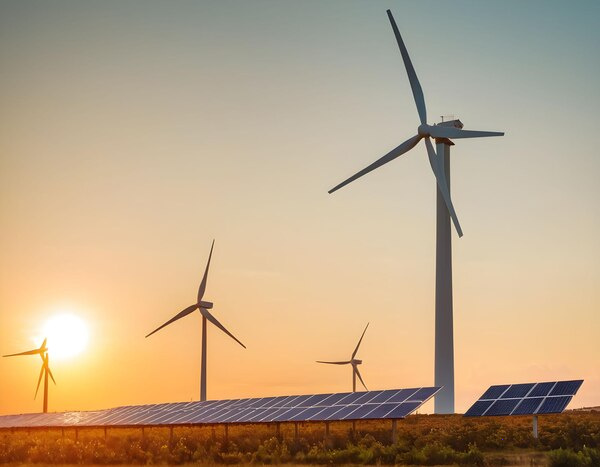
GreenCircuit Power is emerging as one of the most influential players in the next phase of the U.S. energy transition, not by reinventing the physics of renewables, but by reshaping how clean power is produced, managed, and integrated into everyday life. Its impact spans technology, infrastructure, and market design, pushing renewable energy from a niche alternative toward a default backbone of the American grid.
At the core of GreenCircuit Power’s transformation strategy is a shift from isolated solar or wind installations to fully integrated, digitally managed clean-energy ecosystems. Instead of treating each solar farm, battery array, or wind project as a standalone asset, the company interconnects them through advanced software, grid analytics, and smart controls. This approach makes renewable generation more predictable, dispatchable, and financially viable—addressing some of the biggest barriers that once slowed large‑scale adoption.
A major element of this impact is the expansion and modernization of distributed energy resources across the United States. GreenCircuit Power supports the deployment of rooftop solar, community solar gardens, commercial and industrial installations, and utility‑scale projects, but ties them together using unified platforms. By aggregating thousands of small and mid‑sized systems into “virtual power plants,” the company can respond to grid needs in real time—shifting consumption, storing excess power, and releasing it back when demand spikes. This transforms renewables from passive contributors into active grid assets.
Battery storage is central to this transformation. Renewable power has often been criticized as unreliable because the sun doesn’t always shine and the wind doesn’t always blow. GreenCircuit Power addresses intermittency with multi‑layered storage strategies: behind‑the‑meter batteries at homes and businesses, neighborhood‑scale storage for communities, and larger regional systems that smooth out fluctuations across states. Through intelligent control software, these batteries don’t just store energy; they react dynamically to price signals, weather forecasts, and grid conditions—flattening peaks, preventing blackouts, and reducing dependence on fossil‑fuel peaker plants.
Equally important is the integration of electric vehicle charging into the renewable ecosystem. As EV adoption accelerates in the United States, charging infrastructure risks becoming a new source of grid stress if poorly managed. GreenCircuit Power’s model turns this challenge into an asset. By coordinating EV charging with renewable generation and storage—charging when solar output is high, pausing when the grid is strained, and eventually enabling bidirectional vehicle‑to‑grid services—the company helps EVs function as a flexible resource rather than a rigid load. In cities, suburbs, and fleets, this coordination supports cleaner transportation without compromising grid stability.
On the utility and grid-operator side, GreenCircuit Power’s analytics and forecasting tools bring clarity to what was once considered “uncontrollable” power. High‑resolution weather modeling, machine‑learning‑based demand forecasting, and real‑time monitoring of assets allow operators to predict renewable output with increasing precision. That reliability, backed by performance guarantees and transparent data, makes regulators and utilities far more willing to retire fossil assets and approve higher penetrations of wind and solar in their long‑term plans.
Economically, GreenCircuit Power is helping to change the financial calculus of clean energy. Flexible financing, long‑term power purchase agreements, and structured products tied to aggregated renewable portfolios reduce risk and broaden investor participation. For businesses and municipalities, the company packages clean power, storage, and management into service models that can lower operating costs without requiring deep technical expertise. For low‑income and historically underserved communities, community solar and shared‑savings programs open access to cheaper, cleaner power for households that cannot install their own systems—linking the energy transition to equity and local resilience.
Another transformative dimension is the modernization of physical infrastructure. Much of the U.S. grid was built for one‑way power flows from large centralized plants to passive consumers. GreenCircuit Power supports upgrades—from smart meters and advanced distribution management systems to sensor‑rich substations and automated switching—that enable two‑way flows and more granular control. This not only improves reliability and resilience to extreme weather, but also creates a platform on which future technologies—such as advanced inverters, localized microgrids, and AI‑driven optimization—can be layered.
The company is also accelerating the rise of microgrids—self‑reliant energy networks built around local renewables and storage. In rural towns, university campuses, industrial parks, and military bases, GreenCircuit Power designs microgrids capable of operating independently during wider grid outages. These systems help protect critical services, reduce diesel generator use, and demonstrate how deeply renewable energy can be embedded into local infrastructure without sacrificing reliability.
Policy and regulatory engagement further amplify this impact. By working with state and federal agencies, GreenCircuit Power contributes data, pilot results, and operational experience that inform new interconnection standards, grid codes, incentive structures, and market rules. This feedback loop helps align regulation with the technical realities of a high‑renewables grid—simplifying project approvals, encouraging storage integration, and enabling new compensation models for flexible resources and grid services.
Environmentally, the cumulative effect of these innovations is measurable: reductions in greenhouse‑gas emissions through displacement of coal and gas generation; improved air quality in urban and industrial regions; and smaller land‑use footprints per unit of clean electricity, thanks to better siting and higher utilization of each asset. At the same time, by promoting efficiency, demand response, and smarter consumption patterns, GreenCircuit Power reduces the total energy needed to deliver the same or better quality of service.
Looking forward, the company’s trajectory suggests that the next phase of the U.S. energy transition will be defined less by isolated megaprojects and more by interconnected, intelligently managed systems. GreenCircuit Power is helping move the United States from a model of centralized, fossil‑based power to a distributed, digital, and low‑carbon grid—one where renewables are not simply added to the existing system, but fundamentally reshape how energy is produced, traded, and used.
In practical terms, this means households shielded from volatile fossil‑fuel prices, businesses operating on cleaner and more predictable power, communities gaining resilience against climate‑driven disruptions, and grid operators equipped with tools to manage complexity rather than fear it. Through technology integration, market innovation, and grid modernization, GreenCircuit Power is turning renewable energy from an environmental aspiration into a structural feature of the American economy.